
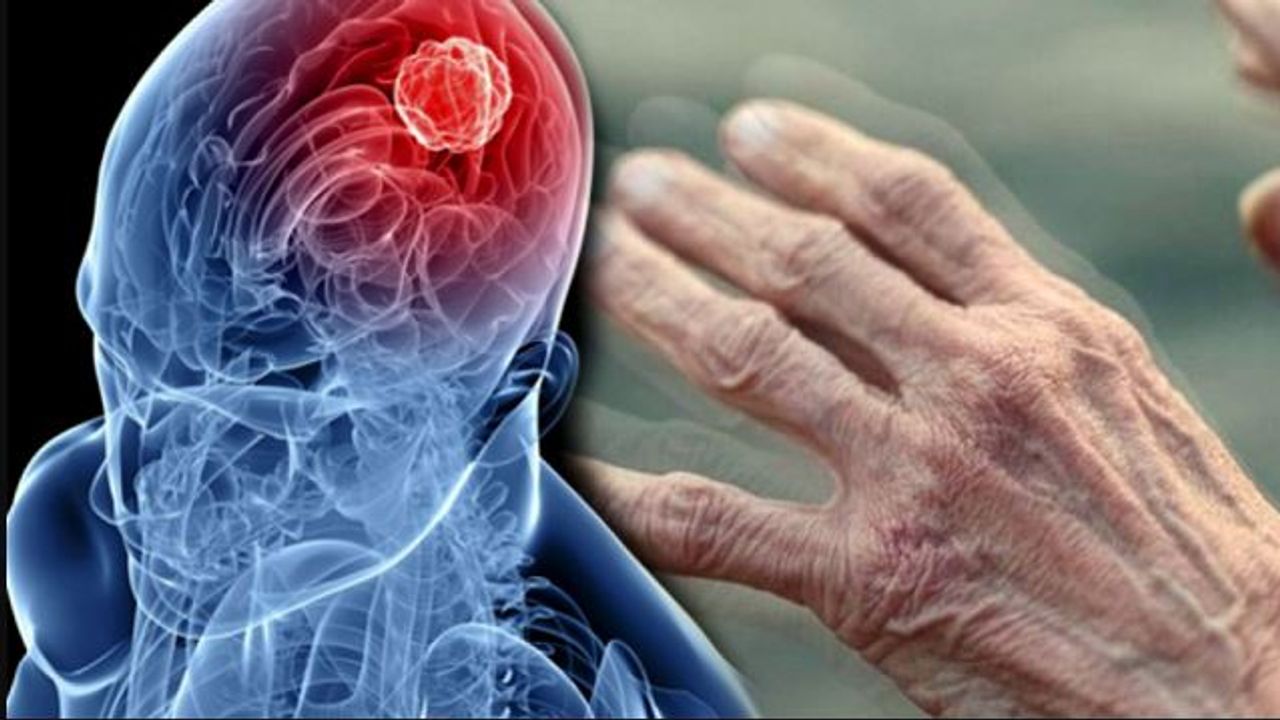
People choose treatment of Parkinson’s disease abroad to access advanced methods, multidisciplinary teams, or specific therapies unavailable in their home country. In many cases, patients seek out countries with more experience in complex neuromodulation techniques or clinical trial access. Not all national healthcare systems are equipped to offer emerging treatments like focused ultrasound or advanced adaptive deep brain stimulation. This disparity often motivates patients to explore treatment centers in countries known for specialization in movement disorders.
One of the core reasons for seeking Parkinson’s treatment abroad lies in the variability of care standards. In countries with limited neurologists or restricted budgets for chronic diseases, long-term management often becomes fragmented. By contrast, movement disorder centers abroad may offer streamlined diagnostics, up-to-date medication protocols, and neurorehabilitation units under one roof. These centers frequently attract neurologists with subspecialty training in Parkinsonian syndromes, which can influence treatment accuracy.
Language and cost are not always barriers, especially when the value of outcome quality is emphasized. Many European and Asian countries offer structured treatment packages, including accommodation, clinical follow-up, and physical therapy. This predictability is particularly important for Parkinson’s patients, whose routines are sensitive to disruption. In addition, some countries provide access to multidisciplinary boards that include neuropsychologists, speech therapists, and specialized physiotherapists.
Choosing Parkinson’s treatment abroad is also driven by access to experimental care. Clinical trials for disease-modifying therapies, especially alpha-synuclein targeting agents, are geographically concentrated. Traveling to specialized institutions offers patients opportunities that are not just therapeutic but also investigational. Some patients prioritize participation in early-phase trials over standard dopamine replacement therapy, especially when standard options have plateaued in effectiveness.
What types of Parkinson’s treatments are typically offered abroad?
Parkinson’s treatment abroad typically includes pharmacological management, surgical interventions, physical rehabilitation, and access to non-conventional therapies not available in some home countries. Dopaminergic therapies, including levodopa and dopamine agonists, are widely used, but some international centers personalize treatment by using continuous infusion pumps or microtablets tailored to absorption patterns. These optimizations are often influenced by pharmacogenetic testing, which may not be standard in all regions.
Deep brain stimulation (DBS) is frequently a reason patients travel abroad. However, not all DBS procedures are the same. Centers with higher surgical volumes tend to offer adaptive DBS, which adjusts stimulation in real-time based on neural feedback. This reduces side effects such as dyskinesia and speech impairment. Patients who previously experienced complications with conventional DBS often benefit from second opinions or hardware revision at these centers.
Focused ultrasound, a non-invasive alternative to surgical lesioning, is another treatment offered in select countries. While it is not suitable for every patient, those with severe tremor-dominant Parkinson’s may find rapid symptom relief. The procedure requires careful pre-selection through MRI tractography and intraoperative neurologic feedback. Countries like Israel and South Korea have refined patient selection protocols and follow-up pathways that reduce risk and improve outcome prediction.
In addition to medical and surgical treatments, comprehensive neurorehabilitation is often emphasized abroad. Facilities may offer cueing-based gait training, speech retraining using LSVT LOUD methods, and targeted swallowing therapy. These are especially relevant in advanced stages where non-motor symptoms—like dysphagia and hypophonia—impact quality of life more than tremor or rigidity. This broader treatment scope can be a deciding factor for going abroad.
How do patients prepare for Parkinson’s treatment abroad?
Patients preparing for Parkinson’s treatment abroad begin by securing detailed medical records, imaging studies, and a current medication log. This documentation must be translated if necessary, and often, reviewed remotely before arrival. High-volume centers usually conduct a pre-arrival teleconsultation to triage cases and rule out contraindications. This minimizes travel risks and avoids wasted time for the patient.
A multidisciplinary evaluation is frequently scheduled for the first day abroad. This may include neuropsychological assessments, balance and gait evaluations, and medication washout trials under supervision. These tests help refine diagnosis, especially for cases that might involve atypical parkinsonism, such as multiple system atrophy (MSA) or progressive supranuclear palsy (PSP). Misdiagnosis in these syndromes is common and impacts long-term treatment plans.
Planning also includes logistical coordination of support persons. Parkinson’s patients with motor fluctuations or cognitive decline often require a caregiver to travel with them. Travel restrictions, accommodation access, and medical transport services are essential considerations. Institutions experienced in treating international patients usually assign a case coordinator for such arrangements, reducing burden on families.

Some patients opt for temporary relocation rather than short visits. When therapies require follow-up or staged interventions—such as titration of apomorphine infusion or phased DBS programming—a longer stay is advised. Countries like Germany and Switzerland offer 2- to 4-week inpatient rehabilitation programs following neurosurgical interventions. These protocols ensure smoother transitions to maintenance care back home.
What should patients consider when choosing a destination for Parkinson’s treatment abroad?
When choosing a destination for Parkinson’s treatment abroad, patients must evaluate the center’s specific expertise in movement disorders, not just general neurology. Facilities with dedicated Parkinson’s units often report higher success in complex case management. Subspecialty accreditation, research output, and procedural volume are more predictive of quality than international rankings or tourism factors.
It is essential to verify regulatory and ethical standards. For instance, advanced DBS systems used in the EU may not be approved in other jurisdictions. Likewise, some clinics may offer unproven stem cell therapies lacking proper clinical validation. While these treatments attract attention, patients should request peer-reviewed publications or phase-based trial registrations before considering enrollment.
Language and aftercare accessibility are often overlooked. A treatment center with interpreter services and post-treatment communication protocols can significantly reduce patient anxiety. Clear discharge plans, including medication schedules and emergency contacts, should be prepared before return travel. Centers that coordinate with local neurologists back home offer better care continuity.
Cost transparency is another key consideration. Patients should request itemized breakdowns including pre-operative assessments, hospitalization days, rehabilitation, and follow-up appointments. Some destinations may appear more affordable but include hidden costs for add-on services or last-minute imaging. Insurance reimbursement varies widely and should be clarified early in the planning phase.
What outcomes can patients expect from Parkinson’s treatment abroad?
Patients receiving Parkinson’s treatment abroad often experience improvement in symptom control, especially in motor fluctuations and dyskinesia management. However, these outcomes depend on appropriate patient selection, treatment modality, and center experience. Long-term benefits are maximized when care is structured and includes follow-up rather than isolated interventions.
Neurological stabilization, improved gait, reduced tremor, and enhanced daily function are commonly reported results, particularly after interventions like DBS or apomorphine pump initiation. Patients also note better medication adherence due to clearer instructions and improved understanding of side effects. This is especially evident in patients previously managed in under-resourced settings.
Non-motor outcomes are equally significant. Better sleep, mood stabilization, and cognitive preservation are often linked to improved medication titration and holistic therapies. For example, some centers include mindfulness-based therapies and cognitive training that support executive function. Although subtle, these changes can substantially influence independence and caregiver burden.
While treatment abroad can lead to positive change, it is not curative. Parkinson’s remains a progressive disease, and ongoing management is essential. Patients must continue structured neurologic follow-up at home. The goal of seeking Parkinson’s treatment abroad should not be framed as a cure, but as access to optimized, personalized care that may not be locally available.